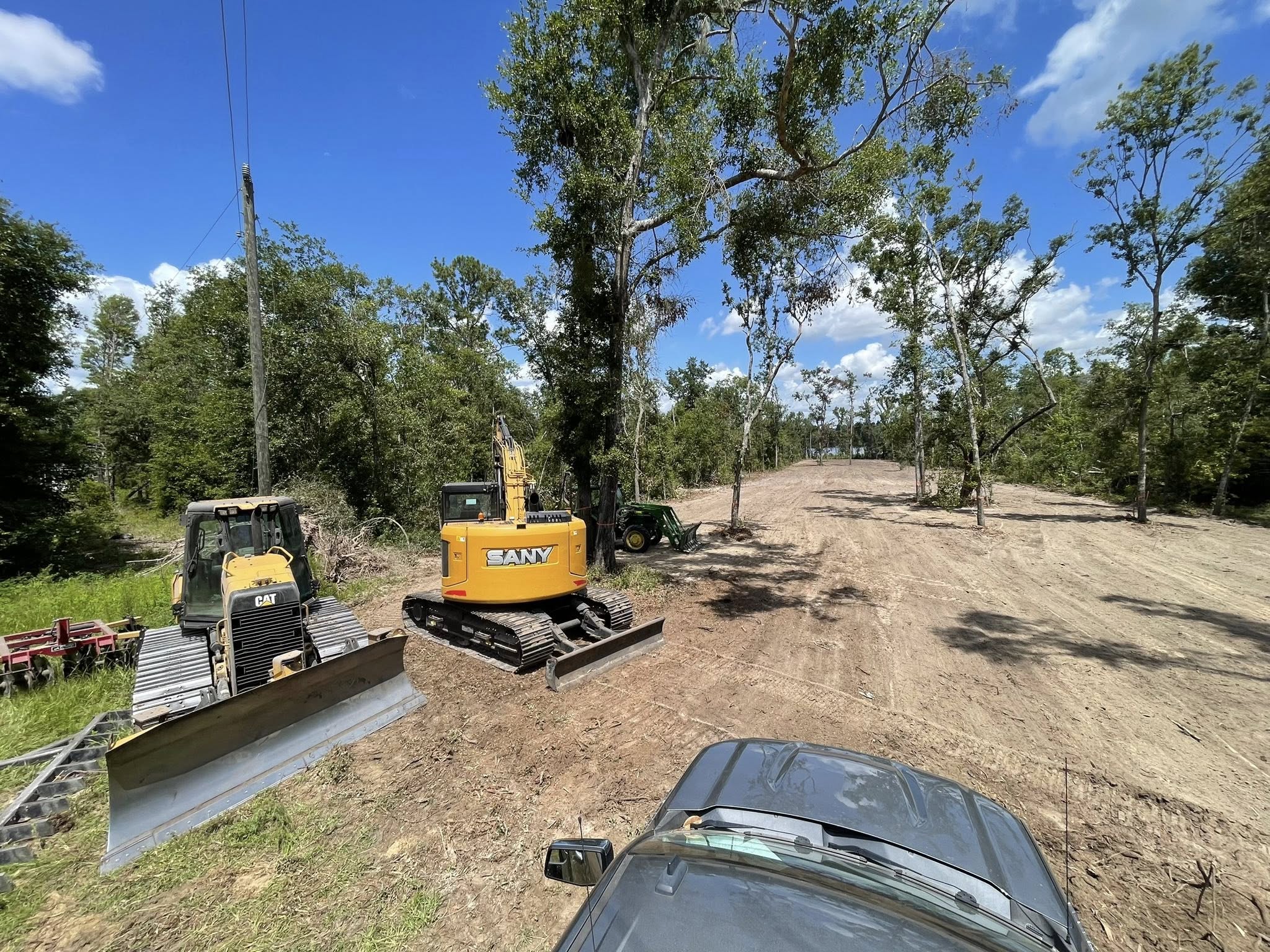
Innovative Excavation Techniques for Eco-Friendly Land Development Feb 22, 2026
The push towards greener construction begins with minimizing our ecological footprint. Traditional excavation methods, often reliant on heavy machinery, can lead to significant environmental disruptions. However, modern excavation techniques are designed to reduce these impacts. One such technique is the use of GPS-controlled machinery, which enhances accuracy, ensures precision in digging, and reduces unnecessary earth displacement. This leads to less waste and an optimized excavation process.
Another innovative technique gaining popularity is hydro excavation. Unlike conventional methods, hydro excavation uses pressurized water to break up the soil, which is then vacuumed into a debris tank. This method not only reduces the risk of damage to existing underground utilities but also causes less soil erosion and minimizes environmental disturbances. Because it is more precise, hydro excavation leads to a cleaner, more controlled site that preserves the surrounding ecosystem.
Silt fencing, a common practice in modern land development, further exemplifies eco-friendly innovation. These temporary sediment control devices are crucial in preventing soil erosion and managing stormwater runoff during construction activities. By keeping soil in place, silt fences protect water quality in nearby rivers and streams, ensuring that the construction process aligns with environmental protection standards.
In tandem with process innovations, technology plays a pivotal role in sustainable excavation. The use of drone technology in site surveys provides detailed and precise topographic data that aids in effective project planning. Drones can quickly cover expansive areas, identifying potential environmental concerns before excavation begins. This foresight not only saves time and resources but also aligns with eco-friendly initiatives by preventing unnecessary disturbances.
Moreover, as the construction industry progresses, the adoption of renewable energy sources to power machinery is becoming vital. Ewc Land Clearing and More is at the forefront of this movement, focusing on solar and biofuel technologies to diminish carbon emissions associated with land-clearing activities. The use of cleaner fuels contributes significantly to reducing the industry's overall environmental impact.
Aside from machinery and methods, ecological considerations such as strategic tree preservation and replanting efforts post-construction are transforming how developments integrate into their natural surroundings. By meticulously planning foliage clearance and strategically positioning green spaces in urban development, companies ensure that biodiversity thrives, even after construction is complete.
It's not just about the techniques; comprehensive training for construction crews on sustainable practices is crucial. Educating teams about minimizing waste, preserving natural resources, and adhering to local environmental regulations instills a culture of responsibility and stewardship.
The future of land development is undoubtedly leaning towards sustainable practices that respect and preserve the natural world. By implementing innovative excavation techniques, companies like Ewc Land Clearing and More are setting the standard for eco-friendly construction. These practices not only minimize ecological impacts but also ensure that land development projects are completed in harmony with the environment. This shift towards sustainability is not just a trend but a necessity for responsible future growth, ensuring that construction projects coexist with nature much more harmoniously.
/filters:no_upscale()/filters:format(webp)/media/2eb5c04e-7872-4330-9250-9935aa46e3b0.jpg)
/filters:no_upscale()/filters:format(webp)/media/a9266e3c-3cf6-4e06-a7d0-6f9d90f7f7da.jpg)