Mastering the Art of Small-Scale Excavation: Tips and Tricks from the Experts Feb 16, 2026
To begin, every small-scale excavation project should start with thorough planning. Understanding the requirements of your site is essential in determining the correct equipment and strategy. Assess the terrain, soil type, and any potential obstacles. This evaluation not only influences the machinery selection but also helps in defining the project's scope and timeline. For instance, sandy soil might require different tools and methods compared to rocky terrain.
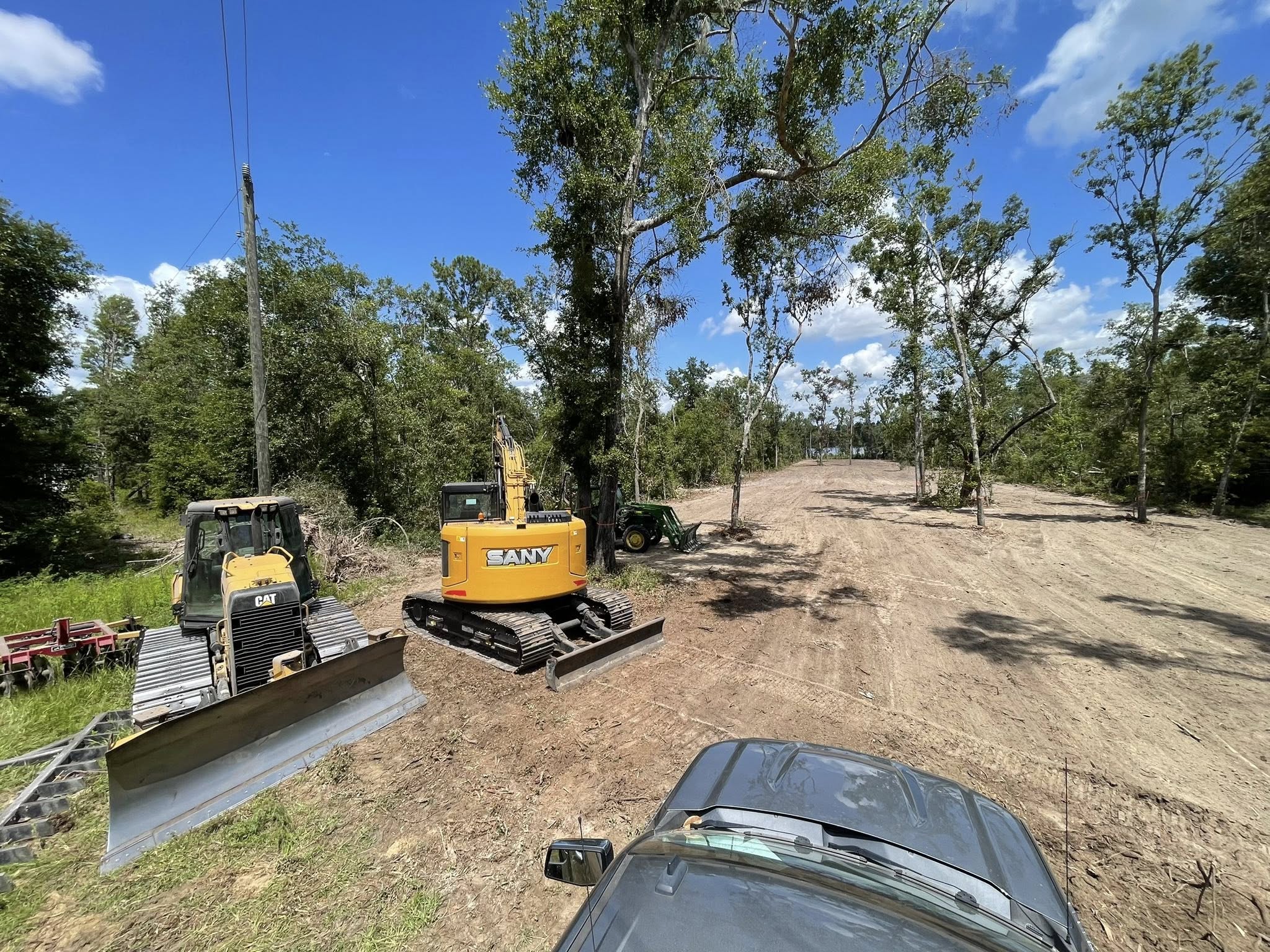
Once planning is complete, selecting the right equipment becomes the next critical step. Small-scale projects often benefit from compact excavators or mini backhoes, which provide the necessary power while ensuring maneuverability in tight spaces. The choice of equipment should align with the specific requirements of the excavation to ensure efficiency and safety. Consult with experienced operators if you're unsure about equipment selection, as their insights can prevent costly mistakes.
Safety cannot be overstated in excavation projects, regardless of size. Prioritize the safety of both workers and the surrounding environment. Adhere to local regulations and guidelines, which can vary significantly based on location. Always conduct a site survey to identify and mark underground utilities before any digging begins. This precaution minimizes the risk of accidents and costly repairs. Equip your team with appropriate safety gear, including helmets, gloves, and protective footwear.
Communication is another cornerstone of successful excavation. Ensure that your team understands the project plan, timeline, and individual responsibilities. Clear communication reduces the likelihood of errors and enhances coordination among team members, leading to smoother project execution.
Another valuable piece of advice is to stay adaptable during the project. Small-scale excavation can present unexpected challenges such as hidden debris or changes in weather conditions. Being prepared to adapt your approach not only helps in mitigating these surprises but also keeps the project on schedule.
In the realm of excavation, precision is paramount. Precise execution ensures that the project progresses as planned without unnecessary over-digging or disturbances. Utilize technology such as laser-guided systems or GPS to enhance accuracy and efficiency. These modern tools can significantly reduce human errors and improve project outcomes.
Environmental considerations should not be overlooked. Responsible excavation practices help preserve the surrounding ecosystems and prevent environmental degradation. Implement measures to control erosion, manage waste, and minimize the project's ecological footprint. Awareness and responsibility in this area are increasingly important due to regulatory scrutiny and community expectations.
As a final note, never underestimate the value of consulting with industry experts. Companies like Ewc Land Clearing and More offer invaluable knowledge and experience in excavation services. Leveraging their expertise can ensure that your project not only meets your expectations but also adheres to industry standards.
In conclusion, mastering small-scale excavation revolves around meticulous planning, safety compliance, and adaptability. By following these tips and recognizing the importance of precision and environmental responsibility, you can ensure that your excavation project is efficient and successful. Whether you're a homeowner or a contractor, these insights provide a solid foundation for tackling your excavation challenges head-on.
/filters:no_upscale()/filters:format(webp)/media/2eb5c04e-7872-4330-9250-9935aa46e3b0.jpg)
/filters:no_upscale()/filters:format(webp)/media/a9266e3c-3cf6-4e06-a7d0-6f9d90f7f7da.jpg)